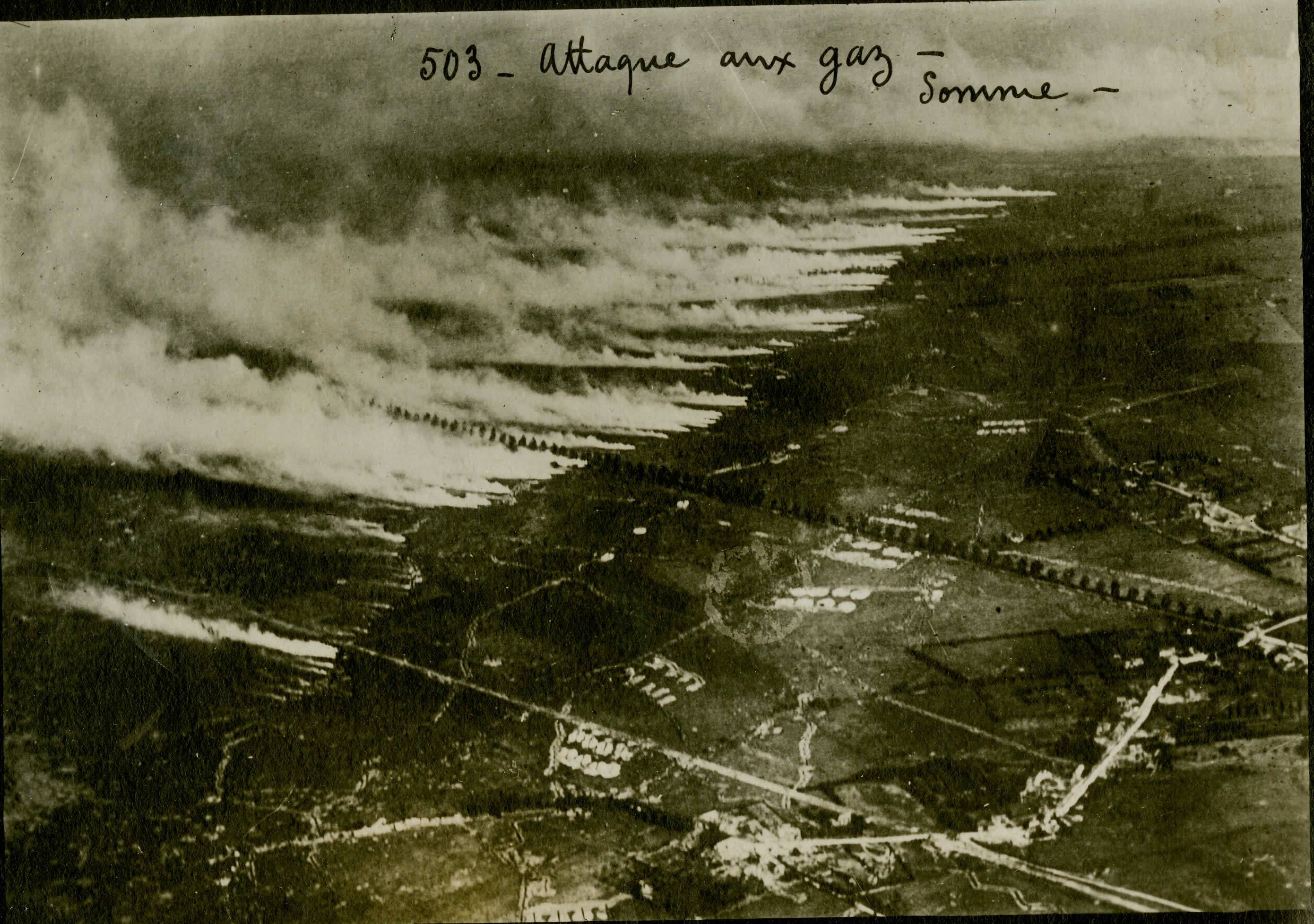
The Battle of the Somme lasted five months from July to November 1916. There were over a million
 dead and wounded: 420,000
British, 200,000 French, 465,000 German. It was
going to be a major British/French offensive.
However, with the German offensive at Verdun and Paris threatened, the
French diverted many of their Somme divisions to prevent a German breakthrough
to Paris. There was also a three pronged
offensive by the Entente that summer: the other two being the Brusilov
Offensive in the East (one million eight hundred thousand casualties), and the
Sixth Isonzo Offensive on the Italian Front (a paltry 100,000). Throw in the casualties for the German
Offensive at Verdun (976,000), plus those from the everyday grind of war and then the
total for the year is well over five million.
1916 was a bad year to be a soldier.
dead and wounded: 420,000
British, 200,000 French, 465,000 German. It was
going to be a major British/French offensive.
However, with the German offensive at Verdun and Paris threatened, the
French diverted many of their Somme divisions to prevent a German breakthrough
to Paris. There was also a three pronged
offensive by the Entente that summer: the other two being the Brusilov
Offensive in the East (one million eight hundred thousand casualties), and the
Sixth Isonzo Offensive on the Italian Front (a paltry 100,000). Throw in the casualties for the German
Offensive at Verdun (976,000), plus those from the everyday grind of war and then the
total for the year is well over five million.
1916 was a bad year to be a soldier. Mametz Wood was an objective of the British in early July. A newly formed unit, the 38th
(Welsh) Infantry, got their baptism of fire at Mametz. The unit defending Mametz was the Lehr Regiment of the 3rd (Prussian) Guards Division, rated as one of the best German combat units by Allied intelligence. The 38th took massive casualties and had to be
pulled out of the line to be rebuilt and were not combat effective for a year
afterwards.
Mametz Wood was an objective of the British in early July. A newly formed unit, the 38th
(Welsh) Infantry, got their baptism of fire at Mametz. The unit defending Mametz was the Lehr Regiment of the 3rd (Prussian) Guards Division, rated as one of the best German combat units by Allied intelligence. The 38th took massive casualties and had to be
pulled out of the line to be rebuilt and were not combat effective for a year
afterwards. Soldier-poets Siegfried Sassoon, Robert Graves, and David Jones were at Mametz. As was Frank Richards, a buck private who in 1933 wrote the memoir "Old Soldiers Never Die", the line that Dugout Doug MacArthur used 20 years later. Sassoon won a Military Cross for gallantry at Mametz. Modern Welsh poet Owen Sheers writing in 2005 composed this piece to commemorate those who died there:
Mametz Wood
“For years afterwards the farmers found them –
the wasted young, turning up under their plough blades
as they tended the land back into itself.
A chit of bone, the china plate of a shoulder blade,
the relic of a finger, the blown
and broken bird’s egg of a skull.
…
Their socketed heads tilted back at an angle
and their jaws, those that have them, dropped open.
As if the notes they had sung
have only now, with this unearthing
slipped from their absent tongues.”